
- Julie
- WHETHER YOU ARE JUST PASSING THROUGH OR ARE A FREQUENT VISITOR -A VERY SPECIAL WELCOME TO YOU! HAVE A GOOD LOOK AROUND - I HOPE YOU FIND SOMETHING TO HELP YOU ON YOUR PATH... YOU ARE ALWAYS WELCOME! HEALTH, BLESSINGS AND LIGHT. The alternative treatments/therapies discussed on this blog are not intended to replace the advice of a health professional. They are shared with the understanding that each individual accepts full responsibility for his or her own well being.

Showing posts with label AROMATHERAPY. Show all posts
Showing posts with label AROMATHERAPY. Show all posts
Thursday, 14 August 2014


Wednesday, 4 December 2013

Wednesday, 2 October 2013
POT POURRI - How to make your own

Make your own pot pourri by mixing together dries flowers, leaves and herbs from your garden (citrus blossoms, cornflowers, pinks, lavender, rose, geranium etc.) with spices ( cinnamon sticks, nutmeg, cloves, allspice etc.) and a little talcum powder and your chosen essential oils. For best results the base mix should contain 6 cups of dried plants, 2 tablespoons of talc and 12 drops of essential oils.
The mixture should be left in an air-tight container (inverting and shaking daily) for about 2 weeks until the aromas have been absorbed by the talc and dried ingredients.
It is then ready to put into an open bowl or jar to give fragrance to a room. It can be refreshed periodically by adding a few more drops of essential oils.
BEST OILS FOR FRESHENING
LAVENDER - TO KILL AIRBORNE GERMS
*
LEMON - air freshener to the bathroom
*
PEPPERMINT - to remove stale smell of tobacco smoke
BEST COMBINATIONS
3 Drops each of Pine, Rosemary, Lavender (disinfecting, for bathrooms, rubbish bins, damp or mould)
*
5 Drops each of Lemon and Lime (deodourising, for wardrobes, cupboards bathrooms, cooking smells)
Tuesday, 1 October 2013
THE SAFE USE OF ESSENTIAL OILS - guideline

1. Undiluted essential oil should never be used directly on the skin. Always keep a bottle
of carrier oil or any pure vegetable oil handy when using essential oils.
Vegetable oils dilute essential oils if they cause discomfort or skin
irritation. DO NOT USE WATER as essential oils are non-water soluble. Using water would only
spread the essential oil over a larger area.
2. Some oils can cause desinsitising or allergy in some people. Also people with allergies
should test a small amount of oil on a small area of sensitive skin, such as
the inside of the arm, before applying the oil on other areas. The bottom of
the feet is one of the safest, most effective places to use essential oils.
3. Less is more : in other words if you can get the job done with one drop - don't use two.
4. Essential oils are flammable - keep them safely away from fire hazards.
5. Keep bottles of
essential oils tightly closed and store them in a cool location away from
light. If stored properly, essential oils will maintain their potency for many
years.
6. Keep essential oils
out of the reach of children. Treat them as you would any product for
therapeutic use.
7. Do not use essential
oils rich in menthol (such as peppermint) on the throat or neck area of children
under 30 months of age.
8. Lemon, bergamot,
orange, grapefruit, tangerine, White Angelica and other citrus oils may cause a
rash or darker pigmentation if applied to skin exposed to direct sunlight or UV
rays within 3-4 days of use.
9. Keep essential oils
away from eye area and do not put into ears. Do not handle contact lenses or
rub eyes with essential oils on fingers.
10. Pregnant women should
consult their health care professional before using essential oils containing
constituents with hormone-like activity, such as Clary sage, Idaho tansy,
juniper and fennel.
11. Epileptics and those
with high blood pressure should consult their health care professional before
using essential oils. Avoid hyssop, fennel, and Idaho tansy oils.
Monday, 30 September 2013
ESSENTIAL OIL BURNERS - ROOM VAPOURISERS

Essential oil burners are a quick and easy way to fill your room with wonderful therapeutic aromas. Place a candle in the lower part. Then fill the saucer part with water, then drop up to 8 drops of essential oil into it. Light the candle and as it heats the water the oils start to permeate the room. Top up the water every few hours as necessary.
It is best to use single essential oils to scent a room as combinations of more then one don't keep their individual aromas well. Of course, you can change to a different oil each day if you wish.
Safety: Make sure the burner is on a steady, safe surface and out of the reach of children and pets.
Best Oils for Room Vapourisers
BERGAMOT: Uplifting, refreshing, deodourising
EUCALYPTUS:for mental alertness, nasal or chest congestion
GERANIUM: Energising yet relaxing
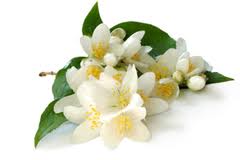
JASMINE: Confidence, euphoria, good for dinner parties
LAVENDER: for tiredness, tension, nerves,
MANDARIN: for sleeplessness, soothing and calming
NEROLI: calming, soothing sensual
PEPPERMINT: for alertness and energy
SANDALWOOD: relaxing, mellowing, romantic
YLANG-YLANG: hypnotic, sensual, uplifting
Sunday, 29 September 2013
WOOD FIRES and CENTRAL HEATING

If you are lucky enough to have a wood fire, you can pour 12 drops (max) on two or three pieces of wood 15 minutes before you are going to use them. It will warm and scent your room simultaneously!
If you don't have an open fire you can put a saucer of water with added essential oils on top of a radiator.
Use safely away from children and pets.
BEST OILS FOR WOOD FIRES
GERANIUM
*
PATCHOULI
*
NEROLI
*
JASMINE
*
ORANGE
*
LIME
*
SANDALWOOD
*
ROSE
*
LEMON
*
LAVENDER
BEST COMBINATIONS
FOR WINTER
4 DROPS EACH OF GINGER, ORANGE AND SANDALWOOD
FOR SUMMER
4 DROPS EACH OF BERGAMOT, GERANIUM AND LAVENDER
Saturday, 28 September 2013
FOOT BATH RECIPES
STIMULATING FOOT BATHS
2 drops bay and 4 drops of ginger
OR
4 drops citronella and 4 drops angelica
............
RELAXING FOOT BATHS
5 drops Basil
OR
3 drops lavender and 3 drops geranium
............
THERAPEUTIC FOOT BATHS
FOR ACHING FEET
4 drops thyme and 4 drops chamomile
OR
4 drops eucalyptus and 3 drops pine
....
FOR ATHLETES FOOT
3 drops birch and 6 drops geranium
OR
8 drops tea tree
....
EXCESSIVE SWEATING - FEET
6 drops lemongrass
OR
4 drops bergamot and 4 drops citronella
Friday, 27 September 2013
ESSENTIAL FOOT-BATHS (+Mini-Baths)
 We suffer more stresses in our feet. than almost any other part of our body. They carry all our weight all day and then maybe dance all night! The best treat you can give them is a soothing foot soak. It releases trapped nerves, improves blood circulation, warms and relaxes all the support muscles and soothes aches and pains. Choosing the right aromatherapy oils also make it more pleasurable with the added benefit whilst sitting there is the inhalation of those wonderful aroma molecules. This is a wonderful few moments of stillness to give yourself in an otherwise busy day.
All you need is a basin, hot water, a warm towel, a comfortable seat ( at the right height) and the right essential oils. Add them to the water drop by drop before putting your feet in. Up to 8 drops per 9 litres (2 gallons) of water.
A MINI-BATH
Foot baths and hand baths are extremely handy and helpful for the elderly or persons with a disability that makes taking a full aromatherapy bath impossible or impractical.Recipes to follow....
Thursday, 26 September 2013
Aromatherapy - a brief history
Aromatherapy is derived from two words: Aroma – meaning fragrance or smell and Therapy – meaning treatment.
 Aromatic plants were used by the most ancient civilizations, we could say that aromatherapy is at least 6000 years old. An Egyptian medical papyrus considered to date back to around 1555 BC contains remedies for all types of illnesses and the methods of application are similar to the ones used in Aromatherapy and Herbal medicine today.
 The Romans took much of their medical knowledge from the Greeks and went on to use and improve the ability of aromatics.Rome became the bathing capital of the world. After bathing the Romans would be oiled and massaged. The Romans started to import new aromatic products from East India and Arabia through the opening up of trade routes.
The Bible has several mentions to the use of aromatic substances, both in the Old and New Testaments:
The Romans took much of their medical knowledge from the Greeks and went on to use and improve the ability of aromatics.Rome became the bathing capital of the world. After bathing the Romans would be oiled and massaged. The Romans started to import new aromatic products from East India and Arabia through the opening up of trade routes.
The Bible has several mentions to the use of aromatic substances, both in the Old and New Testaments:


 It wasn’t until the 19th century that scientists in Europe and Great Britain began researching the effects of essential oils on bacteria in humans.
 Around the same time, Margaurite Maury, a French biochemist developed a unique method of applying these oils to the skin with massage. Micheline Arcier, now living in London, studied and worked with Maury and Valnet and their combined techniques created a form of Aromatherapy now used all over the world.
Aromatic plants were used by the most ancient civilizations, we could say that aromatherapy is at least 6000 years old. An Egyptian medical papyrus considered to date back to around 1555 BC contains remedies for all types of illnesses and the methods of application are similar to the ones used in Aromatherapy and Herbal medicine today.
The Egyptians used the infusion method to extract the oils from aromatic plants and incense was probably one of the earliest ways of using aromatics. Frankincense was burned at sunrise as an offering to the sun god, Ra, while myrrh was offered to the moon. The Egyptians were experts at embalming using aromatics to help preserve flesh. The Egyptians used to be massaged with fragrant oils after bathing.
The Greeks continued the use of aromatic oils and used them medicinally and cosmetically. A Greek physician, Pedacius Dioscorides, wrote Materia Media, a book about herbal medicine and for at least 1200 years it was used as the Western world’s standard medical reference. Many of the remedies he mentions are still in use today in Aromatherapy.The Romans took much of their medical knowledge from the Greeks and went on to use and improve the ability of aromatics.Rome became the bathing capital of the world. After bathing the Romans would be oiled and massaged. The Romans started to import new aromatic products from East India and Arabia through the opening up of trade routes.Then took Mary a pound of ointment of spikenard, very costly, and anointed the feet of Jesus, and wiped his feet with her hair: and the house was filled with the odour of the ointment.

During the crusades the knowledge of aromatic oils and perfumes spread to the Far East and Arabia. It was a physician called Avicenna who lived from A.D 980 to AD 1037 who is understood to have first used the process known as distillation to distil essence of rose. It probably took many years to perfect the process . The Arabs also discovered how to distil alcohol around the same time making it possible to produce perfumes without a heavy oily base.
There is a strong possibility that the ancient Chinese civilizations were using some form of aromatics at the same time as the Egyptians. Shen Nung’s Herbal book is the oldest surviving medical book in China. It is dated about 2700 BC and contains information on over 300 plants. The Chinese used aromatic herbs and burned aromatic woods and incense to show respect to God.

Traditional Indian medicine known as Ayurveda has been practiced for more than 3000 years and it incorporates aromatic massage as one of its main aspects.
The invasions of South America by the conquistadores brought about the discovery of more medicinal plants and aromatic oils. The Aztecs were well known for their plant remedies and the Spanish were amazed at the wealth of medicinal plants found in Montezuma’s botanical gardens.
The North American Indians also used aromatic oils and produced their own herbal remedies.
 It wasn’t until the 19th century that scientists in Europe and Great Britain began researching the effects of essential oils on bacteria in humans.
A French chemist, René Maurice Gattefossé, began his research into the healing powers of essential oils after burning his hand in his laboratory and applying lavender oil. He was impressed by how quickly the burn healed. In 1937 he published the bookAromathérapie: Les Huiles Essentielles, Hormones Végétales, a book about the anti-microbial effects of the oils and coined the word Aromatherapy. He went on to set up a business producing oils for use in fragrances and cosmetics. Around the same time another Frenchman, Albert Couvreur, published a book on the medicinal uses of essential oils.
A French medical doctor, Jean Valnet, discovered Gattefosse’s research and began experimenting with essential oils. He realized the enormous potential of essential oils when he used them in treating wounds during the war. In 1964 he published his first book The Practice of Aromatherapy: A Classic Compendium of Plant Medicines and Their Healing Properties
Around the same time, Margaurite Maury, a French biochemist developed a unique method of applying these oils to the skin with massage. Micheline Arcier, now living in London, studied and worked with Maury and Valnet and their combined techniques created a form of Aromatherapy now used all over the world.
Many thanks to Cristina ProanoCarrion
Monday, 23 September 2013
ESSENTIAL OILS - WATER THERAPY
In addition to the therapeutic effect we receive from the oils we choose, we can change the type of bath just by altering the water: very hot or very cold for a quick dip; tepid or warm water for a good long soak. We can use water therapy before aromatherapy. A plain bath without essential oils will soften skin and warn and relax muscles allowing aromatherapy massage or body moisturiser afterwards to be even more effective.
 Whilst cold water stimulates, tepid makes us sleepy, warm is relaxing and hot leaves us weak and floppy. Therefore the best time for a relaxing bath is after dark, at the end of a hard day.
An invigorating bath is good first thing in the morning, to wake us up. If we use water therapy cleverly, we can combine the two water temperatures for occasions when we get home tired, need to relax, but then have the energy to go out again.
The most gentle way of combining hot and cold water therapy without getting goose bumps is to start off relaxing in a warm or hot bath. After a nice long soak, let half the water out, turn on the cold tap and let the bath slowly refill. As is it filling, stir with hands to mix hot and cold water - by the time the bath is full, we have a wonderful refreshed feeing and are raring to go - but not shivering!
Sunday, 22 September 2013
AROMATHERAPY BATH RECIPES (2)THERAPEUTIC
BATH FOR SLEEPLESSNESS

2 drops each Ylang-Ylang, Rose, Lavender and Neroli
OR
3 drops Chamomile, 2 drops Camphor and 2 drops Juniper
BATH FOR HEADACHE OR HANGOVER

5 drops each of Rose and Lavender
(also some ice folded in a towel to use as a neck pillow)
OR
2 drops Mint, 2 drops Lemon and 4 drops Marjoram
Saturday, 21 September 2013
AROMATHERAPY BATH RECIPES (1) THERAPEUTIC

FOR COUGHS AND COLDS
3 drops Pine, 2 drops Lemon and 2 drops Tea Tree
OR
3 drops Eucalyptus, 3 drops Lavender and 2 drops Mint
_______________________________________
BATH FOR ITCHY OR DRY SKIN
5 drops Lavender and 5 drops Chamomile
OR
4 drops Rose, 4 drops Chamomile and 2 drops Jasmine
________________________________________
BATH FOR ACHES AND PAINS
4 drops Eucalyptus, 3 drops Clary Sage and 3 drops Thyme
OR
3 drops Marjoram, 2 drops Ginger and 4 drops Rosemary
Friday, 20 September 2013
AROMA BATH RECIPES - INVIGORATING

IN SUMMER OR HOT WEATHER
2 drops each of Basil, Patchouli and Juniper
OR
3 drops Rosemary, 3 drops Mint and 3 drops Lemon
__________________________________________
IN WINTER OF COLD WEATHER
3 drops Eucalyptus, 3 drops Clary Sage and 2 drops Mint
OR
3 drops Petitgrain, 3 drops Bargamot and 2 drops Lemon
__________________________________________
AFTER A HARD DAY
5 drops Patchouli and 4 drops Mint
OR
4 drops Rosemary, 4 drops Thyme and 2 drops Basil
____________________________________________
FOR HER
4 drops Ylang-Ylang and 4 drops Petitgrain
OR
2 drops each Mint, Clary Sage and Basil
____________________________________________
FOR HIM
3 drops Rosemary, 3 drops Mint and 2 drops Juniper
OR
4 drops each Lime and Basil
Thursday, 19 September 2013
AROMA BATH RECIPES FOR RELAXING

IN SUMMER OR HOT WEATHER
4 drops Lavender, 4 drops Neroli and 2 drops Geranium
OR
4 drops Mandarin, 4 drops Geranium and 2 drops Pine
--------------------------------------------------------------------
IN WINTER OR COLD WEATHER
3 drops Sandalwood, 3 drops Ylang-Ylang and 2 drops Pine
OR
4 drops Patchouli, 2 drops Ginger, and 2 drops frankincense
---------------------------------------------------------------------
FOR HER
3 drops Rose, 3 drops Jasmine and 4 drops Neroli
OR
3 drops Ylang- Ylang, 3 drops Sandalwood and 3 drops Jasmine
------------------------------------------------------------------------
FOR HIM
3 drops Pine, 2 drops Chamomile and 2 drops Lemon
OR
4 drops Frankincense, 2 drops Basil and 3 drops Sandalwood
Wednesday, 18 September 2013
WONDERFUL AROMA BATH

To ensure you get the best from an aromatic bath, you will need to make everything as comfortable and cosy as possible before you get undressed.
Remember, essential oils can be used in the bath to give almost any effect. They are particularly good for relaxation and energising, or to soothe itchy, dry or sun burnt skin, relieve muscular aches, cramps, PMT, treat a cold, hangover, headache etc etc.
In winter, green spicy or woody ones are the most warming and relaxing, In summer, floral or citrus baths are very refreshing.
If you wish to add a 'single oil' to your bath, the best all rounders are:
5 drops bergamot (depression, melancholy)
7 drops chamomile (itchy skin, insomnia)
8 drops frankincense (calming, sedative, mood enhancing)
10 drops geranium (relaxing but uplifting, energising)
8 drops jasmine (stress, apathy, fatigue)
5 drops patchouli (energising, invigorating)
10 drops rose (pleasure, happiness, romantic)
8 drops sandalwood (intimate, sensual, mellowing)
Comforters
- a warm room
- soft lighting
- a neck pillow or rolled up towel
- soothing eye pads
- soft music (optional)
- lots of large, warm towels
- take the phone off the hook
The human nose quickly gets accustomed to the same smell so be aware that after a few minutes, you may not be able to smell the aromas - but do not get tempted to add more oils! You risk irritating your skin.

How many drops
Add up to ten drops of essential oil for one bath. However, some strong smelling oils such as peppermint, eucalyptus, bay, basil, lime, lemon, thyme and rosemary - you will only need about 5 drops. Use a single oil alone or mix up to three different per bath, but don't combine more than this or they will cancel each others benefits out.
Choosing Oils
When choosing oils, use ones with similar of complimentary effects. There are three main categories: relaxing, stimulating and therapeutic. Therapeutic oils can be added to either of the other types but if you try adding stimulating oil with relaxing they can cancel each other out.
I will be entering some bath time recipes that soothe body, mind and spirit...
Tuesday, 17 September 2013
TAKE A RELAXING AROMATHERAPY BATH

HAVING AN AROMATHERAPY BATH IS ONE OF THE MOST PLEASURABLE THINGS YOU CAN DO FOR YOURSELF OR FOR A LOVED ONE.
 An
aromatherapy bath can be soothing or reviving and a wonderful way to get clean. Adding essential
oils to a bath can enhance its ability to act as a therapeutic and
sensually delightful experience: a feast for mind and body. Other benefits from an aromatherapy bath include softer
skin through moisturising and opening the pores, detoxifying and deodorising
your body.
An
aromatherapy bath can be soothing or reviving and a wonderful way to get clean. Adding essential
oils to a bath can enhance its ability to act as a therapeutic and
sensually delightful experience: a feast for mind and body. Other benefits from an aromatherapy bath include softer
skin through moisturising and opening the pores, detoxifying and deodorising
your body.
If
you're a beginner in the art of aromatherapy, starting with aromatherapy baths
is a very simple and effective way to connect with the virtues of aromatherapy
treatments for your overall well-being. Use 5-10 drops of essential oil in one tablespoon of carrier oil for an adult bath unless otherwise indicated. You can use olive oil, sweet almond etc. These carrier oils have an additional benefit of nourishing and moisturising your skin.
 For a non-oily or non-slip bath suitable for children and the elderly, milk (full fat) or dairy cream can be used as the carrier base instead of vegetable oil.
Monday, 16 September 2013
AROMATHERAPY OILS FOR MASSAGE

Massage is probably the most common way of using essential oils, and they are used this way therapeutically in Aromatherapy.
As it combines two of our senses: touch and smell, it has an instant physical and mental benefit. The warm skin-on-skin friction from massage causes the oils to be absorbed more quickly and makes them more aromatic. This same friction increases blood circulation, stimulates, relaxes muscles, lowers heart rate and blood pressure and makes us feel better than you can imagine.

You will need:
The right essential oils
Carrier Oil
A warm room
Peace and quiet (take the phone off the hook and turn off the TV)
Loose clothing - easily removed
Towels for wrapping yourself in or using as a pillow
Mix up enough aromatherapy massage oil and place it in either a plastic squeezy bottle or a bowl you can dip your fingers in.Glass is too slippery to hold when you have oily hands.
Note:Essential oils must be diluted with a carrier oil before they are applied to the skin.
A basic guideline is:
For Body Massage: 15 drops of essential oil in 60ml (2fl.oz/12 tsps) of carrier oil.
For face/foot massage: 5 drops of essential oil in 30ml (1fl.oz/6tsps) of carrier oil.
When preparing your oils, first measure out your carrier oil then add the essential oil, drop by drop then shake or stir to blend. Generally it is best not to use more than 3 essential oils at one time for massage. Using more can result in individual aromas fighting one another rather than blending together.
Try not to mix more massage oil than you need each time so that the oils stay fresh and uncontaminated. However, if you do over estimate, the left-overs can be stored in a dark glass screw top bottle away from direct sunlight.

The best carrier oils for massage are Sweet Almond, Sunflower or Safflower. These can be used on body and face, but if you want to treat a specific skin problem then use a carrier oil specifically for facial skin care.
Remember, do not bath or shower for two hours after an aromatherapy massage, to allow the essential oils to be totally absorbed.
Sunday, 15 September 2013
Fragrance Families 2
 FLORAL
Geranium
Jasmine
Lavender
Mimosa
Neroli
Rose
Rosewood
Violet
Ylang-ylang
 CITRUS
Bergamot
Citronella
Lemon
Lemongrass
Lime
Mandarin
Orange
Petitgrain
WOODY/BALSAMIC
 Ambrette
Angelica
Bay
Birch
Cedarwood
Frankincense
Marigold
Patchouli
Sandalwood
Valerian
Yarrow
Saturday, 14 September 2013
Fragrance families
There are five main groups which are: Green, Spicy, Floral, Citrus and Woody/Balsamic
GREEN
 Basil
Basil
Chamomile
Clary Sage
Eucalyptus
Galbanum
Peppermint
Pine
Rosemary
Spruce
Thyme
 SPICY
SPICY
Camphor
Fennel
Ginger
Juniper
Laurel
Marjoram
Myrrh
Tarragon
Tea-tree
.....to be continued
GREEN

Chamomile
Clary Sage
Eucalyptus
Galbanum
Peppermint
Pine
Rosemary
Spruce
Thyme
 SPICY
SPICYCamphor
Fennel
Ginger
Juniper
Laurel
Marjoram
Myrrh
Tarragon
Tea-tree
.....to be continued
Friday, 13 September 2013
BUYING AND CHOOSING AROMATHERAPY OILS

WHEN IT COMES TO BUYING ESSENTIAL OILS IT IS BEST TO LET YOUR NOSE GUIDE YOU. SINCE OUR SENSE OF SMELL IS CLOSELY LINKED TO OUR MEMORIES AND FEELINGS, IT IS A PERSONAL THING. WHILST YOU MIGHT LOVE THE SMELL OF EUCALYPTUS AS IT REMINDS YOU OF WALKING IN THE FOREST, YOUR FRIEND MIGHT HATE IT AS IT REMINDS HER OF BEING IN HOSPITAL AS A CHILD.
WHEN YOU FIRST DECIDE TO BUY ESSENTIAL OILS IT IS BEST TO START WITH A SHORT LIST OF ABOUT TEN - THEN YOU CAN SMELL THEM ONE BY ONE AND SELECT YOUR PREFERENCES. IF YOU TRY TO SMELL MORE THAN THIS YOU WILL FIND IT VERY CONFUSING AS THE HUMAN NOSE TIRES EASILY!
 IN GENERAL THE MOST USEFUL OILS ARE THOSE THAT MIX WELL WITH AS MANY OTHER OILS AS POSSIBLE. IT IS ALSO GOOD IF THEY HAVE A BROAD RANGE OF THERAPEUTIC USES COMBINED WITH THE MOST PLEASANT AROMA AS POSSIBLE. THIS IS AN IDEAL SMALL SELECTION:
To start: Sandalwood, Rose, Peppermint, Neroli, Lavender, Jasmin.
Some useful additions: Chamomile, Ylang-ylang, Patchouli, Lemon, Geranium, Euralyptus.
Subscribe to:
Posts (Atom)